
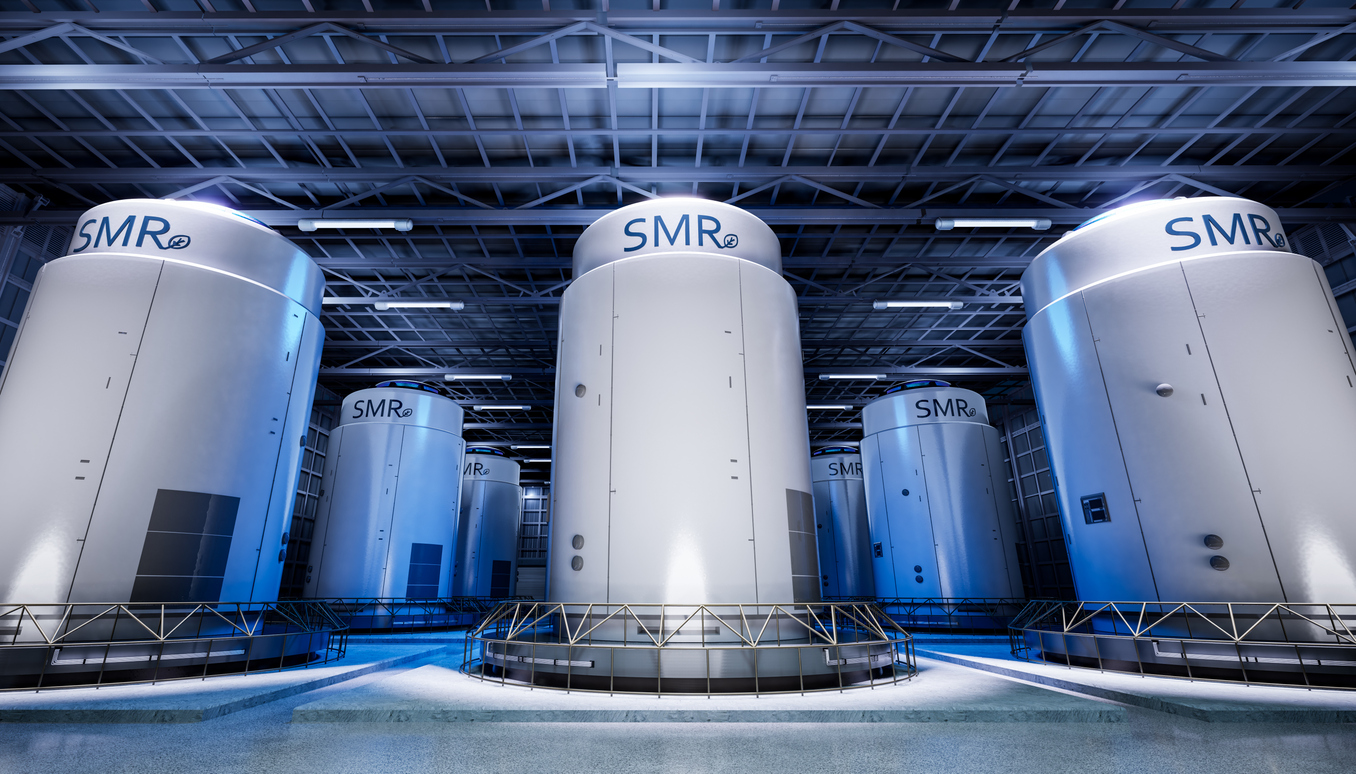
Small modular reactors (SMRs) depend on a manufacturing model built around repeatability, modular assembly, and scalable deployment. Factory-built components offer the potential to shorten construction schedules and improve project predictability. But those benefits don’t come from modular design alone. They depend on how well manufacturers control production, quality, documentation, and configuration from the start. Achieving these results depends on disciplined control over how each critical component is built, inspected, documented, and maintained.
Faster SMR deployment depends on stronger manufacturing execution. So, manufacturers and suppliers must ensure speed, efficiency, quality, and compliance reinforce one another, from the first production operation through decades of service.
The manufacturing requirements are already clear
The BWRX-300 supply chain illustrates this. GE Hitachi Nuclear Energy selected BWXT to manufacture the reactor pressure vessel for the first unit at Ontario Power Generation’s Darlington project. GE Vernova’s nuclear business chose Worley Chemetics to design and fabricate the reactor’s isolation condenser system, a passive safety feature for auto-cooling. SMR delivery relies on specialized organizations producing complex equipment to precise requirements.
Across this network, manufacturers need a consistent way to connect approved engineering requirements with the work performed on the factory floor.
Which material lot went into a particular assembly? Which procedure revision governed the operation? Were personnel qualified and instruments calibrated? Were required inspections completed before work advanced? What happened when a discrepancy appeared?
Those answers should be available as part of the production record, ready to support acceptance, investigation, and future maintenance.
Speed depends on controlling the work
A component may be physically complete, but without the required inspection record, it can still be held up at acceptance. An outdated work instruction or an unresolved supplier discrepancy can create similar problems, leading to rework, delays, and disruptions on the production floor. These are the kinds of issues that a well-designed manufacturing execution system (MES) and manufacturing operations management (MOM) approach should help prevent.
For SMR production, the capabilities to evaluate include:
- Controlled work instructions: Deliver approved procedures and engineering revisions to the point of use, with clear applicability to each unit.
- Material and component genealogy: Connect serialized assemblies to their constituent parts, material lots, and supporting records.
- Embedded quality controls: Place inspections, acceptance criteria, and required approvals within the production workflow.
- Resource verification: Check personnel qualifications and equipment calibration status before specified work proceeds.
- Managed exceptions: Capture nonconformances, control affected work, and route dispositions for authorized review.
- Production visibility: Expose queues, constraints, and incomplete work early enough for teams to respond.
When these capabilities work together, production teams spend less time searching for information, chasing approvals, or resolving issues that should have been caught earlier. They also have a clearer picture of what is ready to move forward and what still needs attention. Manufacturers can measure progress through first-pass yield, rework hours, schedule adherence, discrepancy closure time, and acceptance-package completeness.
Quality evidence belongs in the workflow
Nuclear quality assurance demands disciplined control of materials, special processes, inspections, and records. For U.S. projects subject to 10 CFR Part 50, Appendix B, those expectations include traceable identification, qualified personnel and procedures for special processes, and identifiable, retrievable quality records.
Manufacturers need to capture evidence as the work happens. A completed assembly and its supporting documentation should move forward together.
An MES/MOM implementation must translate the project’s applicable requirements into controlled workflows, permissions, checks, and records. Software supports that quality program; its effectiveness depends on how those controls are configured and used.
Manufacturing discipline must extend into MRO
The value of a controlled production history continues after delivery.
Maintenance, repair, and overhaul teams need to understand the asset they actually receive: its installed components, approved modifications, previous repairs, inspection findings, and configuration history.
For SMR owners and service organizations, connecting the as-built record to subsequent maintenance execution should be a lifecycle priority. That continuity supports better work preparation, clearer component accountability, and more efficient review of completed repairs. Service findings can inform future engineering and manufacturing improvements.
Where Solumina fits
iBase-t’s Solumina illustrates the type of integrated capability SMR manufacturers should evaluate. Its MES functionality includes digital work instructions, engineering change management, and detailed as-built traceability. Its embedded quality tools support inspections, discrepancy management, personnel and tool controls, and product genealogy.
Solumina’s connection to maintenance execution is equally important. Its MRO offering supports the use of as-designed and as-built information, detailed component tracking through disassembly and reassembly, and the recording of work and approvals. Those capabilities provide a relevant foundation for evaluating complex nuclear sustainment workflows against project-specific requirements.
For SMR leaders, selecting MES/MOM deserves the same early attention as selecting production equipment and establishing supplier capacity. The platform must support the complexity of the product, the discipline of the quality program, and the continuity of its service history.
Build manufacturing control into the SMR program from the beginning—and carry it through the operating life of every unit. That is how the industry can turn modularity into repeatable execution, and repeatable execution into more predictable delivery.