Lately, I’ve been having conversations with aerospace & defense (A&D) companies eager to adopt artificial intelligence (AI) to improve reporting, predictive analytics, real-time operations, and more. This is music to my ears, until it becomes clear the companies aren’t paying enough attention to the one key ingredient any AI application requires: good data.
I get it. Flashy dashboards, easy ad hoc reporting, and chatbots that give quick answers are all very appealing. But none of it happens without first building a sound data platform to provide the information AI agents need to do their work.
Those who already have a manufacturing execution system (MES) know what I’m talking about. At some point, to feed that MES, you had to digitize the paper and spreadsheets you once used to manage your plant floor. But those who have yet to take the MES step can take solace in the fact that AI tools can help get you there. Yes, AI can help you digitize your shopfloor, paving the way to AI.
Using AI to Help Prepare for AI
Creating a digital foundation involves more than simply digitizing your reference documents. You also need to digitize all your work instructions so they can execute in a digital environment, with revision control and real-time data validation, from a tablet or mobile device.
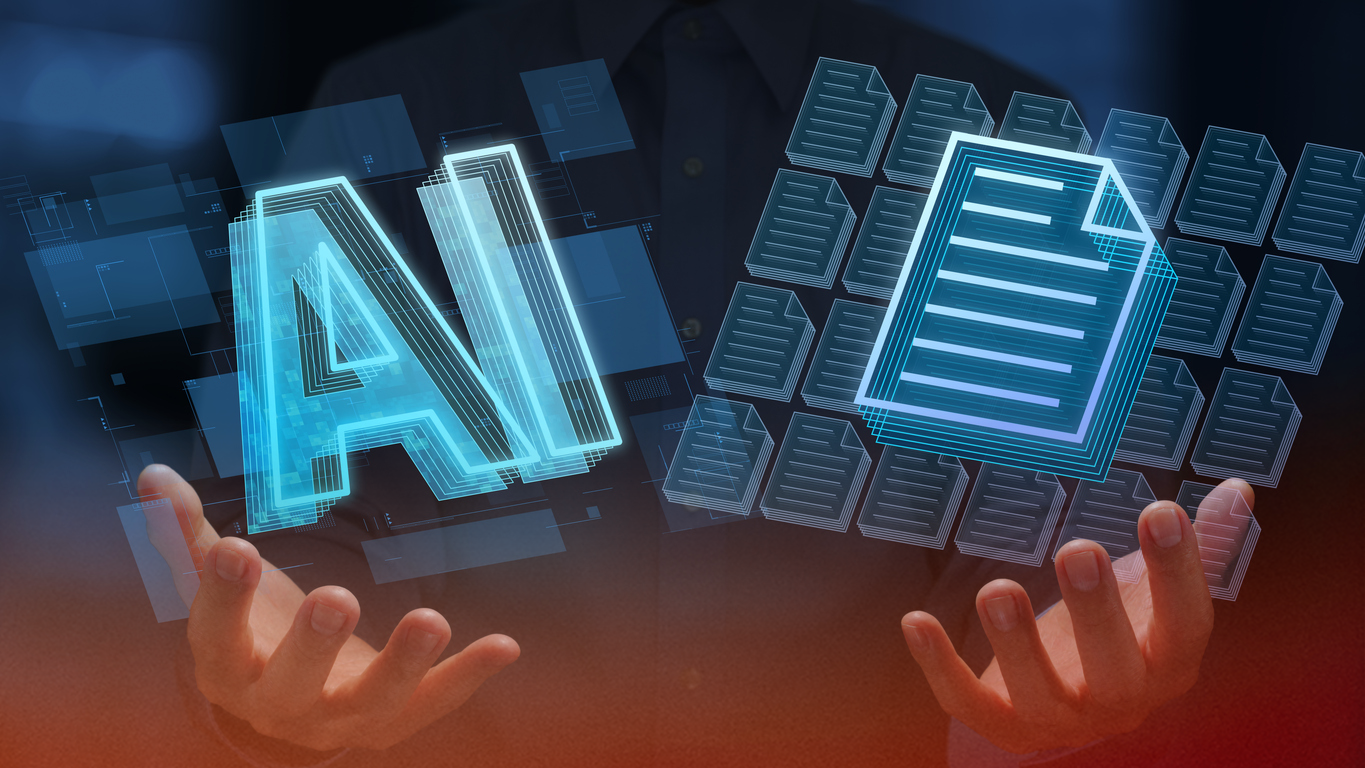
Going fully digital is often the largest mountain to climb when evaluating the resources needed to convert a paper-based shopfloor. This is where AI can pave the way for AI. For example, my company, iBase-t, offers the Solumina ScanAI solution that converts paper-based work instructions and records them into structured, compliant data that can then integrate into Solumina’s workflows. AI solutions like this can dramatically reduce the time and effort required to digitize your operations, clearing the path for rolling out deeper, higher-impact AI initiatives with confidence and speed.
But solutions like ScanAI do more than just save significant time. They unleash your employees to focus on higher-value work. Gone are the days of hiring interns and locking them into a conference room until they can’t read the letters on the keyboards anymore. Now you can dedicate those interns to simply polishing the AI output. And you can save high-value engineers from laboriously typing and converting files, instead directing them towards more valuable work, like implementing long-overdue improvements on work instructions.
Now I must admit, this doesn’t happen overnight. No AI solution will understand exactly how your organization structures its work instructions and procedures — at least not today. But it’s not an insurmountable task, either. AI will help you standardize and move forward in a more sustainable manner.
AI-Native Manufacturing Benefits: Save Time, Improve Quality
Once you put that work in, however, the value in using AI in conjunction with an MES is nearly immediate. Work instructions that were once scattered across Excel spreadsheets, 2D flat images pulled from a CAD drawing, screenshots, and text are now consolidated into a single, live, 3D model – fully digital and always current.
From there, AI-native manufacturing takes it further, embedding intelligence directly into operations. Rather than waiting for humans to search for answers, these systems anticipate and assist. The result is a transformation that is architectural, operational, and systemic.
Quality takes a big step forward when digital evidence is transformed into actionable insight faster. MES solutions, like Solumina, already empower teams to detect non-conformances, trace issues, and collaborate with suppliers in real time. AI builds on that foundation, accelerating and enhancing these capabilities. Instead of simply reacting to logged defects, AI uncovers patterns across upstream data, flags emerging risks earlier, and helps predict potential failures before they escalate. The result? A shift from reworking parts and fielding tough questions to identifying root causes after just a few early anomalies.
A Game-Changing Jump Start
I’m excited about the benefits AI can bring. But AI works best when you feed it high-integrity data, leverage models built for aerospace and defense, and use it alongside an MES that is likewise built with A&D in mind.
If the whole digitization effort was holding you back, AI is now poised to help with that, too. It’s up to you. Keep using spreadsheets, or see what a game-changer Solumina AI can be.